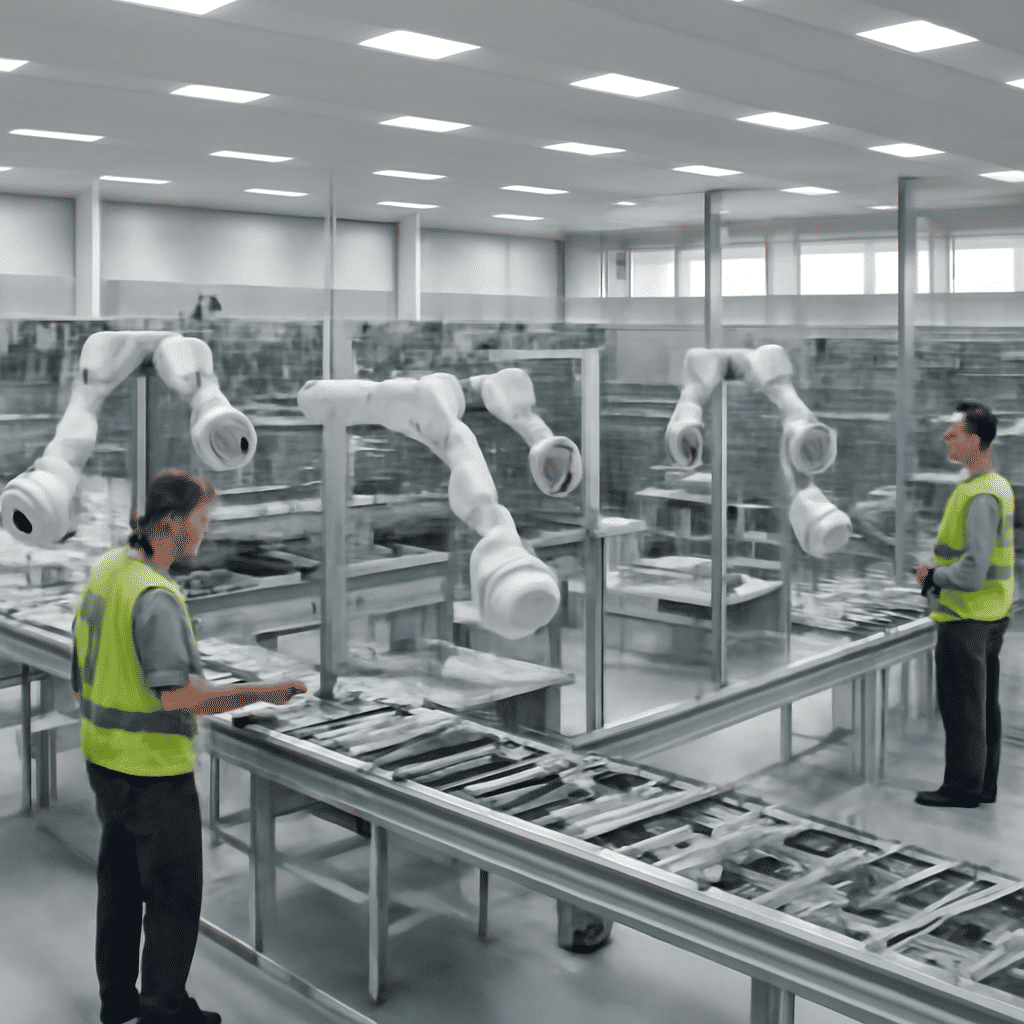
In recent years, the landscape of industrial applications has been transformed by advancements in robotics. These cutting-edge robotic solutions have become instrumental in enhancing efficiency, precision, and reliability across various industries. From manufacturing to healthcare, robotics continues to revolutionize operations, setting new standards and creating opportunities for unprecedented growth and innovation.
At the heart of this transformation is the relentless pursuit of precision. Modern robotic systems are equipped with high-resolution sensors and advanced algorithms that enable them to execute tasks with unparalleled accuracy. Whether it's assembling intricate components in electronics manufacturing or performing delicate surgeries in healthcare, these robots are designed to perform with consistency and precision, thereby minimizing errors and improving overall quality.
The integration of robotics into industrial processes also significantly enhances reliability. Unlike human workers, robots do not suffer from fatigue and can work continuously without breaks, digestive pauses, or other human limitations. This characteristic is especially beneficial in sectors like automotive manufacturing, where robots perform repetitive tasks with consistent output, reducing downtime and increasing throughput.
One of the most notable benefits of robotics in industrial applications is the enhancement of efficiency. With their ability to perform complex tasks at remarkable speeds, robots contribute to shortened production cycles and increased productivity. This efficiency not only translates into cost savings but also allows companies to respond swiftly to market demands. Robotics solutions enable businesses to scale operations effectively, meeting customer needs without compromising on quality or speed.
Moreover, robotics brings versatility to the table. Modern robots are equipped with machine learning capabilities, allowing them to adapt to new tasks and environments. They can be reprogrammed or equipped with different tools to accommodate a wide range of functions, making them ideal for industries that require flexibility and diversification. This adaptability is crucial in today's fast-paced world, where industries must continuously evolve to stay competitive.
Safety is another critical area where robotics shines. In environments that are hazardous to human workers, such as chemical plants or construction sites, robots can perform dangerous tasks, minimizing the risk of accidents and injuries. By taking over these high-risk duties, robots not only ensure human safety but also reduce liabilities and downtime related to workplace incidents.
Beyond the tangible benefits, the adoption of robotics in industrial applications also drives innovation. As companies integrate these technologies into their operations, they are compelled to rethink traditional processes and develop new strategies for improvement. This shift often leads to pioneering advancements and opens the door to new markets and services. The continuous evolution of robotics technology—from artificial intelligence to collaborative robots—fuels ongoing research and development, pushing the boundaries of what industries can achieve.
In conclusion, cutting-edge robotics solutions are reshaping industrial applications by offering precision, reliability, and efficiency. These technologies empower industries to enhance productivity, reduce costs, and maintain competitive edges in an increasingly dynamic marketplace. As robotics continues to evolve, its impact on efficiency and innovation promises to grow, driving progress across sectors and setting the pace for the future of industry.