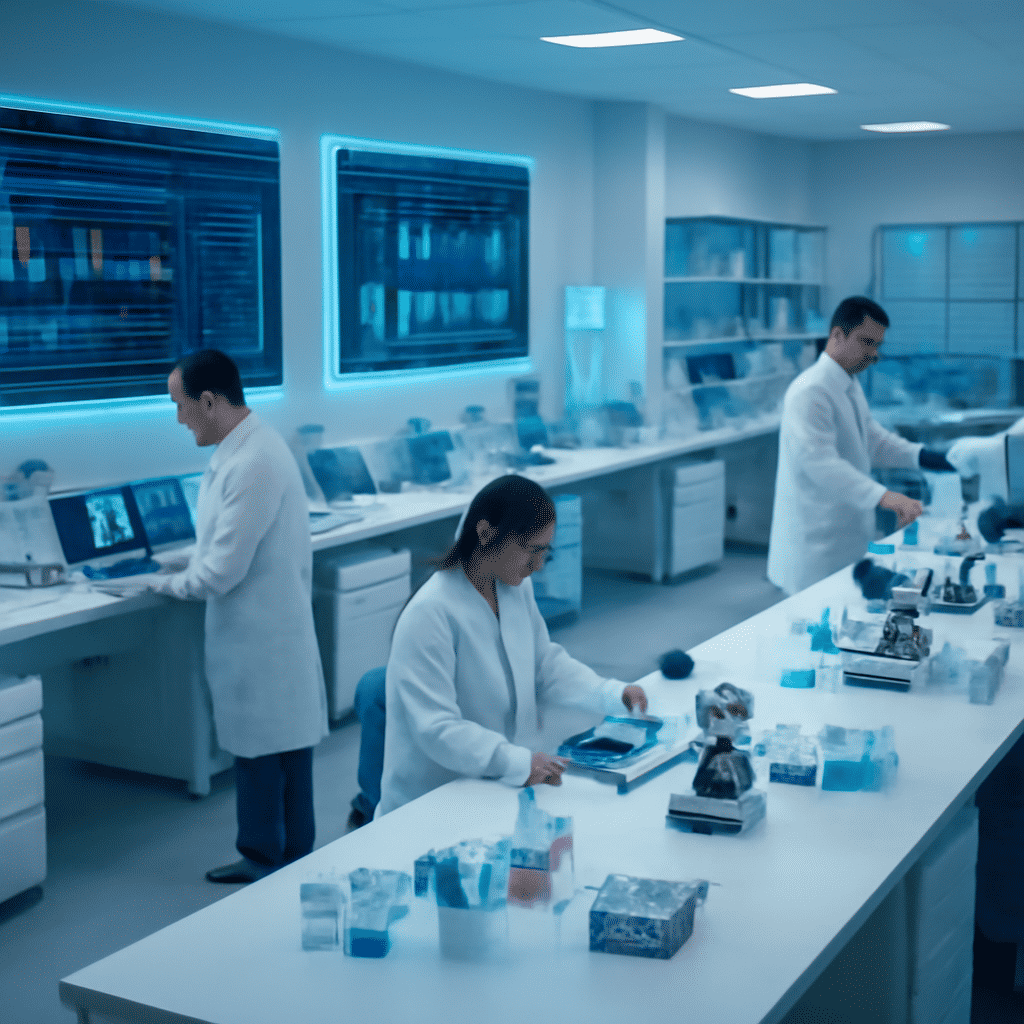
Advancements in biotechnology are continuously reshaping the landscape of medicine and agriculture, heralding a new era of innovation and potential. As we delve deeper into the capabilities of genetic engineering, synthetic biology, and CRISPR technology, the boundaries of what was once thought possible are rapidly being expanded.
In medicine, one of the most remarkable breakthroughs is the development of personalized treatment. By leveraging genetic information, medical practitioners can now tailor therapies to the individual's unique genetic makeup, thereby increasing the efficacy and reducing the side effects of treatments. This approach has found its most prominent application in oncology, where personalized cancer therapies are becoming increasingly routine. By identifying specific mutations present in a tumor, targeted treatments can be used to attack cancer cells while sparing healthy tissue.
Moreover, biotechnological advancements are revolutionizing the field of regenerative medicine. Techniques such as the use of stem cells and 3D bioprinting are providing new possibilities for organ and tissue regeneration. Scientists are now able to engineer tissues that can be used to repair or replace damaged organs, potentially addressing the critical shortage of organ donations and providing new hope for those with chronic, debilitating conditions.
In the realm of agriculture, biotechnological innovations are proving invaluable in addressing some of the most pressing challenges related to food security and sustainability. Genetically modified organisms (GMOs) have already shown significant promise in increasing crop yields, enhancing nutritional value, and providing resistance to pests and diseases. With the advent of CRISPR technology, genetic modifications can be executed with unprecedented precision, speeding up the development of crops that are resilient to the effects of climate change, such as drought, heat, and salinity.
Additionally, biotechnology is fostering the growth of sustainable agricultural practices. Through the use of biofertilizers and biopesticides, farmers can reduce their reliance on chemical inputs, thereby minimizing environmental impact and promoting soil health. Biofortification, or the process of increasing the nutritional quality of food crops through biotechnological techniques, is another avenue through which biotechnology is striving to combat malnutrition in developing regions.
Furthermore, the convergence of biotechnology with data science and AI is amplifying the potential for innovation. Machine learning algorithms are being harnessed to predict how certain genetic modifications will affect crops or individuals, improving the speed and accuracy of research and development. This symbiosis of technologies ensures that biotechnology will remain at the forefront of solutions to some of the world's most pressing health and environmental challenges.
Despite the transformative potential of biotechnology, it is essential to consider the ethical and safety implications of these advancements. Responsible regulation, transparent governance, and public engagement are crucial in ensuring that the benefits of biotechnology are realized without compromising ethical standards or causing unintended harm to ecosystems or human health.
In conclusion, the strides made in biotechnology are unlocking vast new potential that could reshape our world in profound ways. Whether in improving human health through personalized medicine and regenerative techniques or in securing our food systems through innovative agricultural solutions, the possibilities are as boundless as they are promising. As we continue to navigate this frontier, the collaborative efforts of scientists, policymakers, and the public will be critical in harnessing these technologies for the greater good.